- home/
- Posts/
- The Elections That Broke America: 13 Voting Moments That Shattered the System - and Rebuilt It/
The Elections That Broke America: 13 Voting Moments That Shattered the System - and Rebuilt It


Table of Contents
Every so often, an election doesn’t just pick a winner - it breaks the rules everyone thought were permanent. These are 13 moments when American democracy shattered, the battles fought to reach them, and what was rebuilt in the wreckage.
American elections are usually the most boring miracle on earth: millions of people surrender power without a shot fired. But a handful of elections did something more radical. They tore up the assumptions of their era - about race, religion, gender, class, and who gets to belong in the political system at all.
None of them came easily. Behind every shattered ceiling was a bruising fight - legal warfare, violence, ridicule, and decades of organizing. This is the story of both: the elections, and the wars fought to get to them.
1. 1800 - The Election That Invented the Peaceful Transfer of Power #

The 1800 election between John Adams and Thomas Jefferson ended in an Electoral College tie - Jefferson and his own running mate Aaron Burr received identical votes. The decision went to the House of Representatives, where a constitutional crisis loomed, rumors of Federalist plots swirled, and some openly feared a coup or civil war. It took 36 ballots over weeks before Jefferson prevailed.
The fight to get there: Adams’s Federalists had just passed the Alien and Sedition Acts - laws that literally jailed newspaper editors for criticizing the president. Jefferson’s win was less an election than an escape: the country needed to prove that a party could be voted out without being destroyed. The near-disaster exposed a fatal constitutional flaw (president and VP weren’t voted separately) and forced the 12th Amendment.
The legacy: Power passed from one party to its bitter enemies - peacefully - for arguably the first time in modern history. The idea that a losing incumbent simply leaves became the world’s gold standard for legitimate government. It had to be invented in 1800.
2. 1828 - The Election That Let the Common Man Vote #
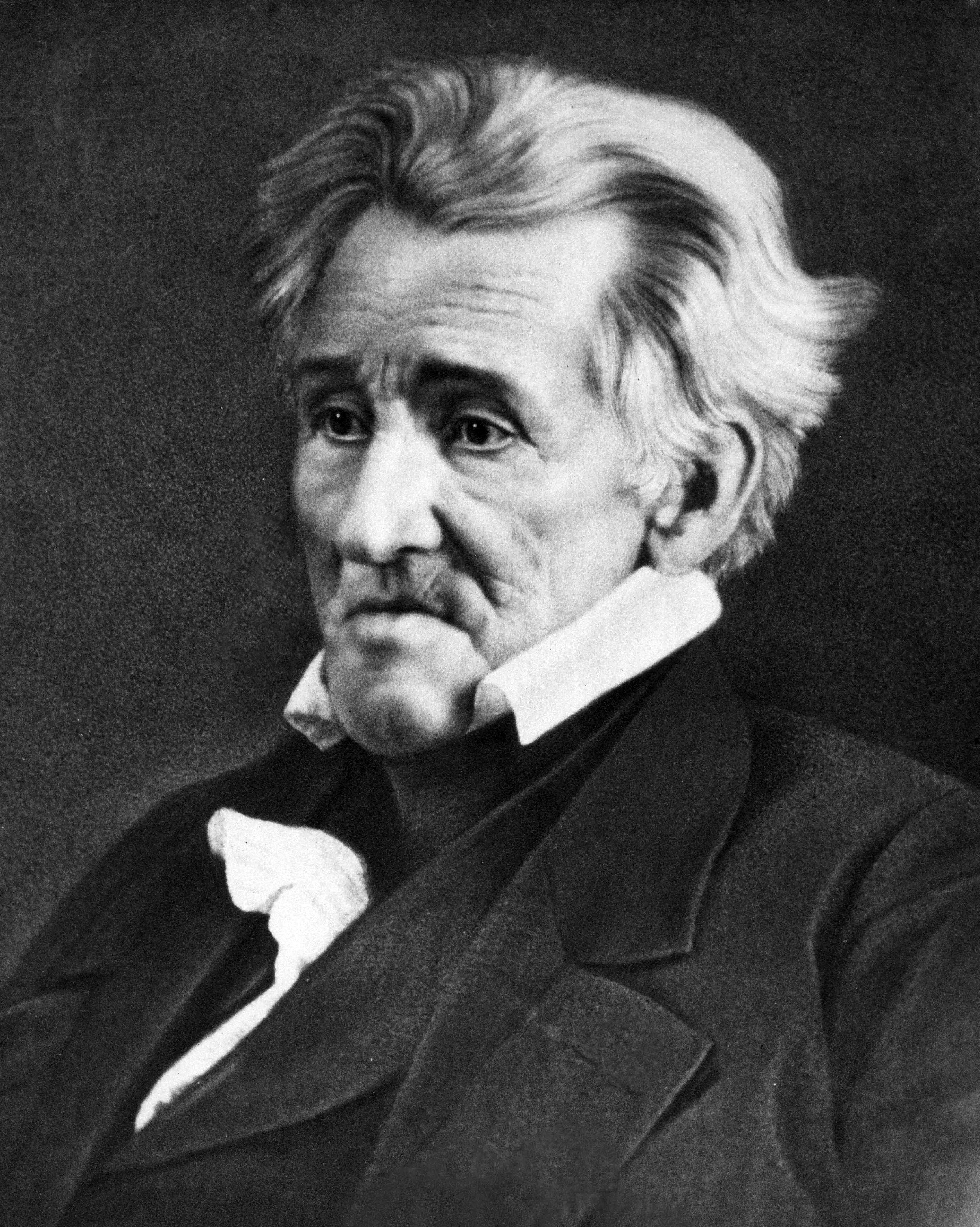
Before 1828, most states still required voters to own property. Andrew Jackson’s landslide victory - fueled by expanding white male suffrage, mass rallies, and merciless mudslinging - killed the era of “gentlemen’s elections” forever.
The fight to get there: Jackson had already been robbed once: in 1824, he won the popular vote and the most electoral votes but lost the presidency in the “Corrupt Bargain,” when the House handed it to John Quincy Adams. Jackson spent four years building the first true mass political party in U.S. history - state committees, partisan newspapers, and a campaign that treated ordinary farmers as a political force. His opponents called him a “jackass” (accidentally gifting Democrats their mascot), a bigamist, and a madman.
The legacy: Modern campaigning - conventions, slogans, mudslinging, the whole circus - was born here. So was its dark twin: the spoils system and, under Jackson, the Indian Removal Act and the Trail of Tears. Expansion and cruelty, in the same breath.
3. 1860 - The Election That Abolished Slavery (After Nearly Destroying the Union) #

Abraham Lincoln won the 1860 election with less than 40% of the popular vote - and without a single electoral vote from the South. Southern states responded by seceding. Within months, the Civil War began: the bloodiest conflict in American history, with over 600,000 dead.
The fight to get there: Lincoln’s entire career was a fight against a political machine. He lost his first Senate race to Stephen Douglas in 1858 (the famed Lincoln–Douglas debates), was dismissed by his own party as a “rail splitter” with no polish, and barely won the 1860 Republican nomination - a dark-horse victory engineered in packed convention halls while better-funded rivals split the vote. Even his election triggered the threat of assassination before he ever reached Washington (he slipped into D.C. in disguise on a night train).
The legacy: The war that followed ended with the 13th Amendment (abolishing slavery) and the 14th Amendment (equal citizenship) - the Constitution rewritten from the ground up. The nation that emerged was, in legal terms, a different country. Slavery - the institution that had shaped half the economy - was destroyed by the ballot box first and bayonets second.
4. 1870 - The Amendment America Then Abandoned #

The 15th Amendment declared that the right to vote could not be denied “on account of race, color, or previous condition of servitude.” That same year, Hiram Revels became the first Black American to serve in the U.S. Senate, representing Mississippi.
The fight to get there: Revels’s own path was extraordinary: born free in North Carolina, he was arrested for preaching the Gospel to enslaved people, served as a Union Army chaplain during the war, and helped found schools for freedpeople. Black Americans across the South registered, organized, and voted despite the Ku Klux Klan’s terror campaign - which Congress had to respond to with the Enforcement Acts. For a few years, Black men held office across the South, including two dozen members of Congress.
The legacy - and the betrayal: The backlash was brutal. Jim Crow laws, poll taxes, literacy tests, lynching, and finally the Compromise of 1877, which withdrew federal troops and ended Reconstruction. The promises of 1870 lay dormant for nearly a century until the Civil Rights Movement revived them. The starkest warning in American politics: constitutional text without enforcement is just words.
5. 1920 - The Election Where Women Finally Voted #

Victoria Woodhull ran for president in 1872 - 48 years before it was legal for women to vote for her. Jeannette Rankin entered Congress in 1917 as the first woman elected to federal office. But the big bang was the 19th Amendment (1920), which more than doubled the American electorate overnight.
The fight to get there: Seventy-two years of organized struggle. Susan B. Anthony was arrested and fined for voting in 1872. Suffragists were heckled, jailed, force-fed during hunger strikes, and called unsexed radicals who would destroy the family. The final push came down to a single state - Tennessee - where a 24-year-old legislator, Harry Burn, changed his vote at his mother’s written urging (“Hurrah, and vote for suffrage!”).
The legacy: The gender gap in voting behavior, invisible until 1980, is now one of the most reliable forces in American politics. The caveat: many Black women (and men) in the South remained excluded until 1965. The fight started in 1920 never really ended.
6. 1932 - The Election That Created Modern America #

The Great Depression. 25% unemployment. Hoovervilles. Franklin D. Roosevelt’s landslide in 1932 demolished the small-government consensus that had ruled since Jefferson - and built the New Deal: Social Security, the SEC, deposit insurance, massive public works.
The fight to get there: FDR had to fight his own body first. Stricken with polio in 1921 at age 39, he spent years learning to stand with leg braces and taught himself to walk short distances by locking his hips - all concealed from a public that might have seen disability as disqualifying. Then he had to topple a sitting president from his own party’s left, convincing a frightened nation that “the only thing we have to fear is fear itself.” His first hundred days rewrote the relationship between citizen and state.
The legacy: The federal government’s role changed overnight; elections became about how much government should do, not whether it should act. FDR then broke the two-term tradition to win third (1940) and fourth (1944) terms - and the 22nd Amendment exists because of him. America’s claim to global leadership rests on the mandate of 1932.
7. 1960 - The Election America Watched on TV #

The first-ever televised presidential debate: Kennedy, tanned and composed; Nixon, pale, sweating, and recovering from a hospital visit. Radio listeners thought Nixon won. The 70 million television viewers thought Kennedy won. Kennedy won the election by a whisker - becoming the first Catholic president in a country that had formally feared “Papal control.”
The fight to get there: Anti-Catholic bigotry was still mainstream. In 1928, Al Smith’s Catholicism had been weaponized with rumors that the Pope would move to Washington. Kennedy had to confront it head-on with a famous speech to Protestant ministers in Houston, declaring his presidency would answer to no church. He won West Virginia - a heavily Protestant state - to prove religion wasn’t fatal. On top of that, he navigated the first modern primary system against Senate powerhouse Lyndon Johnson.
The legacy: Two walls fell at once - the “Catholics can’t be president” ceiling and the barrier between politics and television. Image became a weapon of mass politics; every debate since has been judged as much by appearance as argument. The internet era’s obsession with “how a candidate seems” started here.
8. 1968 - The Election Where the Country Tried to Tear Itself Apart #

Within one year: Martin Luther King Jr. assassinated (April), Robert F. Kennedy assassinated (June), riots in dozens of cities, and police clashing with protesters outside the Democratic convention in Chicago. George Wallace, the segregationist governor of Alabama, ran as a third-party candidate and won five states. Richard Nixon won with his “Southern Strategy.”
The fight to get there - and the fight within it: Eugene McCarthy’s anti-war insurgency nearly toppled a sitting president (LBJ withdrew). RFK’s assassination ended the campaign that had unified Black, Latino, and working-class voters. The Democratic convention was a police riot. And Hubert Humphrey, who won the nomination without entering a single primary, lost - teaching both parties that primaries, not smoke-filled rooms, now decide nominees.
The legacy: This election completed the South’s migration from the Democratic Party, built on race. The partisan geography of America today - red South, blue coasts - began here. Its critics argue every political division since has been racialized; its defenders call it the birth of the modern two-party system. Both are right.
9. 1972 - The Landslide That Destroyed Its Own Winner #

Nixon won 49 states in 1972. It wasn’t enough to save him: the Watergate break-in he ordered unraveled during his second term, and he resigned in 1974 - the first (and so far only) president to do so.
The fight to get there - and the fight that followed: The real battle of 1972 was in the primaries: George McGovern’s insurgent campaign rewrote nomination rules after the chaos of 1968, opening the process to primaries and caucuses - the system both parties still use. The press, meanwhile, fought to expose the cover-up against a hostile administration: anonymous source “Deep Throat,” subpoenas defied, a Saturday Night Massacre where Nixon fired the prosecutor investigating him.
The legacy: Watergate broke the postwar faith in the presidency itself. Congress fought back with the War Powers Act, the Budget Act, expanded FOIA, and an aggressive, independent press - all Watergate babies. Deeper than the “-gate” label: cynicism about government became permanent, and institutional trust has never recovered.
10. 2008 - The Night America Elected a Black President #

On November 4, 2008, Barack Obama - a first-term senator, the son of a Kenyan father and a white Kansan mother - won 365 electoral votes. The same country that had enslaved Africans, fought a civil war over their freedom, and enforced Jim Crow for another century had elected a Black president.
The fight to get there: Obama was written off constantly. “Ain’t no black president!” was conventional wisdom in 2007. He had to defeat the Clinton machine - an operation so dominant it was called inevitable - in the longest, most expensive primary in history, surviving a racialized backlash over his pastor’s sermons, “birtherism,” and whisper campaigns about his name and faith. The primaries dragged to June. The general election came amid the worst financial collapse since 1929, with an opponent 25 years his senior hammering his inexperience.
The legacy: The premise of 20th-century American politics - that a Black candidate could not win a national majority - was erased. For a while it looked like a “post-racial” America. Instead, it triggered a ferocious backlash that reshaped both parties: the Tea Party, and ultimately Trumpism. The Affordable Care Act, Obama’s diverse coalition, and the political earthquakes that followed all trace to 2008. Whether this one was for the best or the worst is genuinely unresolved.
11. 2016 - The Earthquake Election #

Donald Trump had never held elected office or served in the military. He mocked war heroes, bragged on tape about sexual assault, and lost the popular vote by nearly 3 million - and won anyway, through the Electoral College. The same election made Hillary Clinton the first woman nominated by a major party for president.
The fight to get there: Trump’s win was a mutiny against his own party. Sixteen establishment Republicans ran against him; every newspaper editorial board and most of the GOP donor class opposed him. He defeated the field in open primaries with a fraction of the spending, via reality-TV skill and free media. Clinton, meanwhile, survived a bruising primary against Bernie Sanders’s progressive insurgency - then faced an FBI letter reopening her email investigation 11 days before the vote, plus Russian hacking and disinformation campaigns targeting her campaign.
The legacy: Credentials, experience, and decorum were proven optional for the presidency. Populism - dismissed as fringe - took the White House, and foreign interference became a permanent feature of elections everywhere. Every major party in the West studied Trump’s playbook. No election since has been conducted outside its shadow.
12. 2020 - The Pandemic Election (and the Day Democracy Was Attacked) #
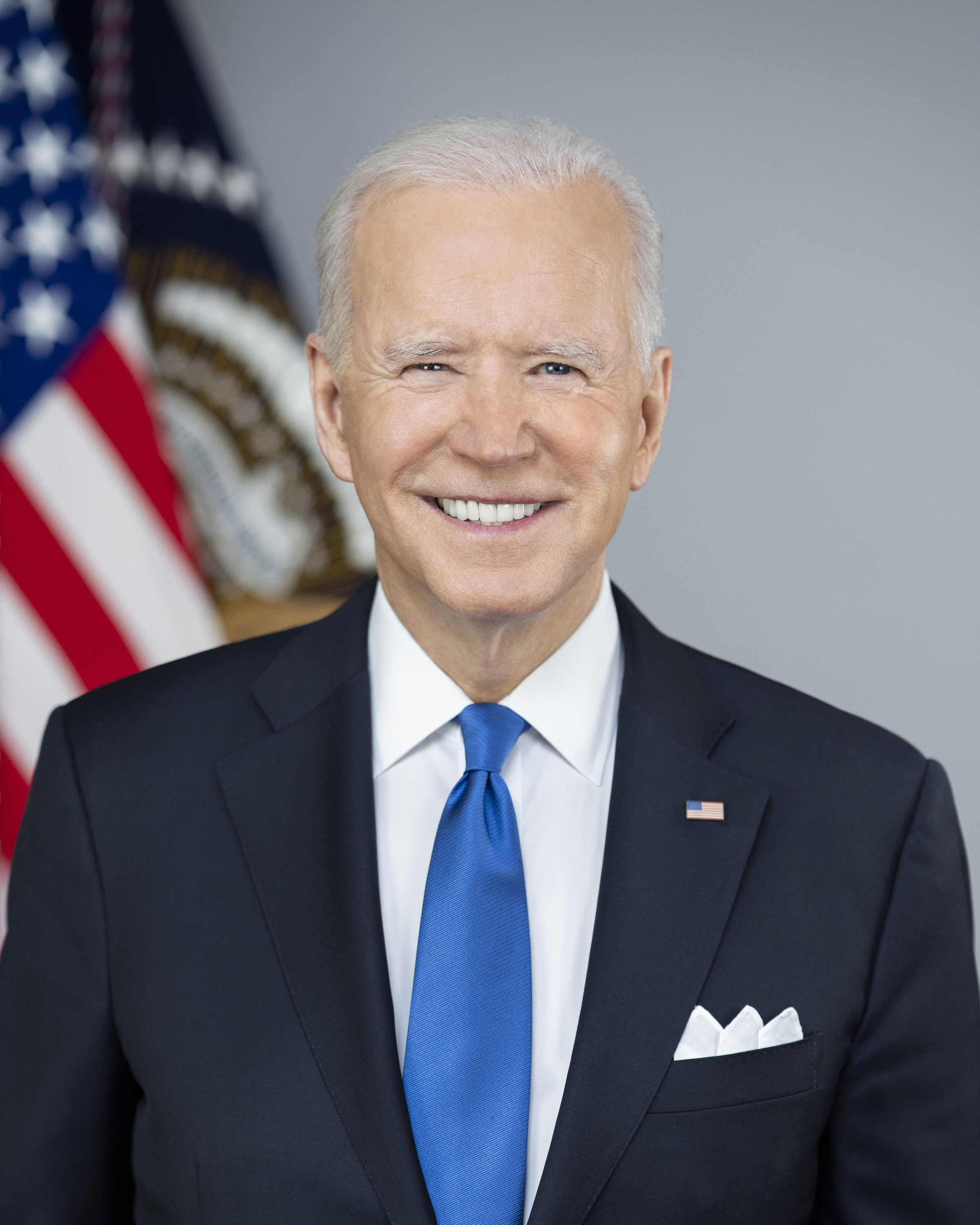
A record 158 million votes cast amid a deadly pandemic, largely by mail - leading to multi-day counting and false “stolen election” claims. Joe Biden won the Electoral College 306–232 and became the oldest person ever elected president, with Kamala Harris as the first woman, first Black person, and first South Asian American elected vice president.
The fight to get there: The election itself was a logistical war - states scrambling to expand mail voting while a president attacked it in real time. Biden’s primary was a comeback for the ages: he lost the first three contests, was written off by the press, then won South Carolina on the strength of Black voters and unified the party in 72 hours as rivals dropped out in sequence. Then came the battle after the battle: dozens of court challenges, failed - and on January 6, 2021, a mob stormed the Capitol to stop the certification.
The legacy: For the first time in history, an outgoing president refused to attend his successor’s inauguration and claimed victory after losing. Democracy’s oldest ritual - invented in 1800, section 1 of this article - was interrupted by violence. Election denialism became a litmus test for one of the two major parties. Its ultimate legacy is still being written.
13. 2024 - The Comeback That Broke Every Rule Left #

After January 6, after 34 felony convictions, after surviving two assassination attempts and a Democratic candidate swap just 100 days before the vote - Donald Trump won again. He became the first president since Grover Cleveland (1892) to win non-consecutive terms, and the first convicted felon elected to the office.
The fight to get there: The obstacles were unprecedented and almost all self-made or externally imposed: impeachments, indictments in four jurisdictions, ballot-access challenges in multiple states (decided by the Supreme Court), two assassination attempts, a debate collapse that forced his opponent off the ticket. His comeback was powered by a realignment few pollsters saw coming - historic gains among Latino, young, and working-class voters.
The legacy: The guardrails that had defined presidential eligibility were crossed. A second Trump era is reshaping the executive branch wholesale - whether it’s remembered as the restoration of a mandate or the stress test that broke the machine may depend on elections still to come.
14. 2026 - The First Muslim Senator: Abdul El-Sayed’s Michigan Miracle #

On November 3, 2026, Abdul El-Sayed defeated Republican Mike Rogers in Michigan’s open Senate race, 52.5% to 45.5% - becoming the first Muslim ever elected to the United States Senate.
The fight to get there: This one took eight years and two defeats. El-Sayed, a physician, Rhodes Scholar, and former Detroit health director, was crushed by Gretchen Whitmer in the 2018 Democratic gubernatorial primary. Undeterred, he built a grassroots movement around universal healthcare and getting money out of politics, won a close primary against the establishment pick, and then faced one of the most expensive and bitter general-election campaigns of the 2026 midterms - Republican Mike Rogers was running for the seat for the second consecutive cycle, with massive outside spending against him. El-Sayed, the son of Egyptian immigrants, overcame it all with small-dollar donations and a progressive coalition.
Why it shattered the system: For two decades, the conventional wisdom said a Muslim candidate couldn’t win statewide in a swing state - not two decades after 9/11, not against a well-funded establishment Republican, not with “democratic socialist” attacks raining down. Michigan proved all of it wrong in one night. With Ilhan Omar, Rashida Tlaib, and now El-Sayed, Muslim-American political power has moved from symbolic firsts to a genuine national network.
The legacy: El-Sayed’s win is the biggest progressive breakthrough since 2018 - evidence that candidates running on Medicare for All-style platforms can win battleground states, a roadmap for the 2028 presidential race, and a proof that the “Muslim ceiling” in American politics was always imaginary. The backlash, history suggests, is already organizing. So is the movement.
The Pattern Behind the Shattering #
Look across these moments and a rule emerges: the system doesn’t shatter when the marginalized demand a seat. It shatters when the gatekeepers are forced to let them in - and the backlash arrives on schedule.
- Lincoln’s win → Civil War → abolition
- The 15th Amendment → Jim Crow → the Civil Rights era
- Women’s suffrage → decades of dormancy → the gender gap
- Obama’s win → the Tea Party → Trump
- 2020’s diverse, mail-in electorate → January 6
- El-Sayed’s win → the backlash that will test him in 2032
Every expansion of “who gets to be American” has been followed by a counter-movement trying to claw it back. And yet each one has also permanently raised the floor. America, for all its whiplash, has never gone back on a voting-rights expansion.
References and Further Reading #
- National Archives - Electoral College history
- U.S. Senate Historical Office - Hiram Revels, first Black Senator
- Library of Congress - Keith Ellison’s oath on Jefferson’s Quran
- NBC News - Michigan Senate Results 2026: El-Sayed wins
- NPR - Abdul El-Sayed: first Muslim elected to the U.S. Senate
- The White House Historical Association - Elections in American history
- House History - 19th Amendment
- Museum of Broadcast Communications - The Kennedy–Nixon Debates, 1960
- Images: Wikimedia Commons, public domain files linked in each caption.